
Can Your Employer Fire You for Being Pregnant? Understanding Pregnancy Discrimination
New Title
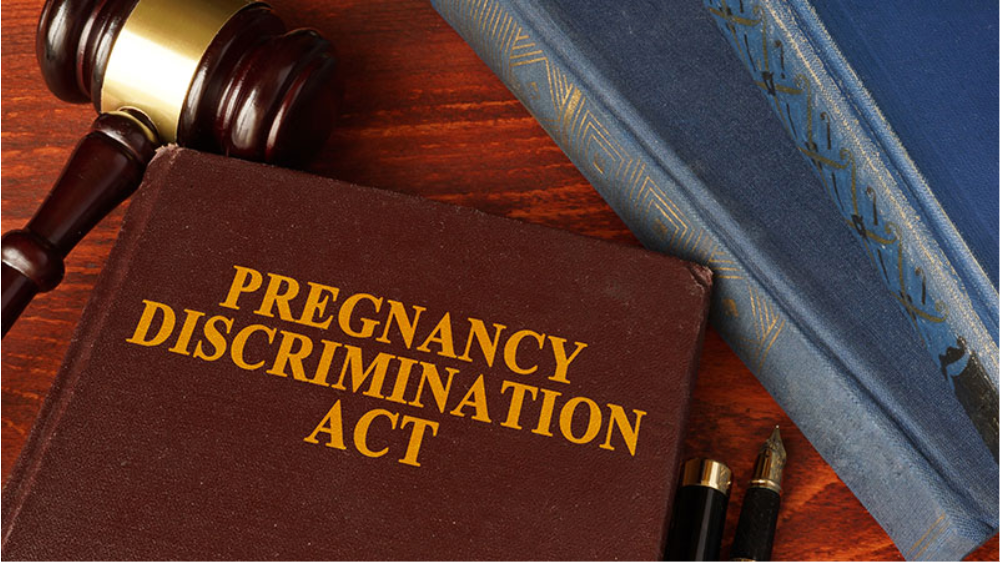
Pregnancy should not put your job at risk. Unfortunately, some employees experience unfair treatment after announcing a pregnancy, requesting an accommodation, or returning from maternity leave.
Understanding your rights can help you recognize when your employer's actions may constitute pregnancy discrimination.
What Is Pregnancy Discrimination?
Pregnancy discrimination occurs when an employer treats an employee or job applicant unfairly because of pregnancy, childbirth, or a related medical condition. Federal law prohibits pregnancy discrimination in hiring, firing, promotions, pay, and other aspects of employment.
The Pregnancy Discrimination Act (PDA), which amended Title VII of the Civil Rights Act of 1964, prohibits discrimination based on pregnancy, childbirth, or related medical conditions. Depending on the circumstances, other federal laws, including the Pregnant Workers Fairness Act (PWFA), Americans with Disabilities Act (ADA), and Family and Medical Leave Act (FMLA), may also protect pregnant employees.
What Are Examples of Pregnancy Discrimination?
Pregnancy discrimination can take many forms, including:
- Being fired shortly after announcing a pregnancy.
- Being passed over for a promotion because of pregnancy.
- Losing responsibilities or important assignments because of assumptions about maternity leave.
- Being denied a reasonable pregnancy-related accommodation.
- Facing harassment or retaliation after reporting discrimination.
Can Your Employer Deny a Pregnancy Accommodation?
The Pregnant Workers Fairness Act generally requires covered employers to provide reasonable accommodations for known limitations related to pregnancy, childbirth, or related medical conditions, unless doing so would cause an undue hardship.
Accommodations may include additional breaks, schedule adjustments, temporary changes to job duties, or time off for medical appointments. An employer may violate the law if it refuses a required accommodation or forces an employee to take leave when another reasonable accommodation would allow her to continue working.
Eligible fathers and other parents may also have the right to take job-protected leave to bond with a new child under the FMLA.
How Can You Take Time Off Work For Maternity Leave?
The Family and Medical Leave Act (FMLA) provides eligible employees of covered employers with up to 12 weeks of unpaid, job-protected leave for qualifying reasons, including the birth of a child and bonding with a newborn. Eligible employees may also qualify for leave for pregnancy-related medical needs and recovery from childbirth.
The FMLA has specific eligibility requirements, and not every employee qualifies. Although FMLA leave is generally unpaid, employees may be able to use available employer-provided paid leave during this time.
The Pregnant Workers Fairness Act (PWFA) may also require reasonable accommodations related to pregnancy or childbirth, including leave in appropriate circumstances. The laws that apply depend on the employee's circumstances and eligibility.
What If Your Employer Treats You Differently After Maternity Leave?
Pregnancy-related protections extend beyond childbirth. An employer generally cannot demote, terminate, or otherwise discriminate against an employee because of pregnancy or related leave.
If your responsibilities change, you lose important opportunities, or you face termination after returning to work, consider the circumstances. Changes alone do not prove discrimination, but relevant communications, timing, and how other employees are treated may help clarify the situation.
What Should You Do if You Suspect Pregnancy Discrimination?
If you believe your employer is treating you unfairly because of pregnancy, consider these steps:
- Document what happened. Keep a timeline of relevant conversations and workplace changes.
- Preserve relevant records. Retain employment-related communications and documents you are lawfully permitted to keep.
- Consider seeking legal guidance. An employment attorney can help you understand which laws may apply and what options are available.
Be mindful of filing deadlines, which vary depending on the applicable law and jurisdiction. Seeking advice promptly can help you avoid missing important deadlines.
Can Your Employer Retaliate Against You for Reporting Pregnancy Discrimination?
No. Federal law generally prohibits employers from retaliating against employees for engaging in protected activities, such as reporting suspected pregnancy discrimination or participating in an investigation.
Retaliation may include termination, demotion, or other adverse treatment because an employee raised a discrimination concern.
Speak With an Employment Attorney
You deserve to be treated fairly at work throughout your pregnancy and after childbirth. If you believe you’ve experienced pregnancy discrimination in Texas, Illinois, or New Mexico an attorney at Kaplan Law Firm can help you understand your rights and explore your options.
This article is provided for general informational purposes only and does not constitute legal advice or create an attorney-client relationship. Employment laws can vary depending on the circumstances.